
Blog
The Art of Perfumery: From Concept to Creation

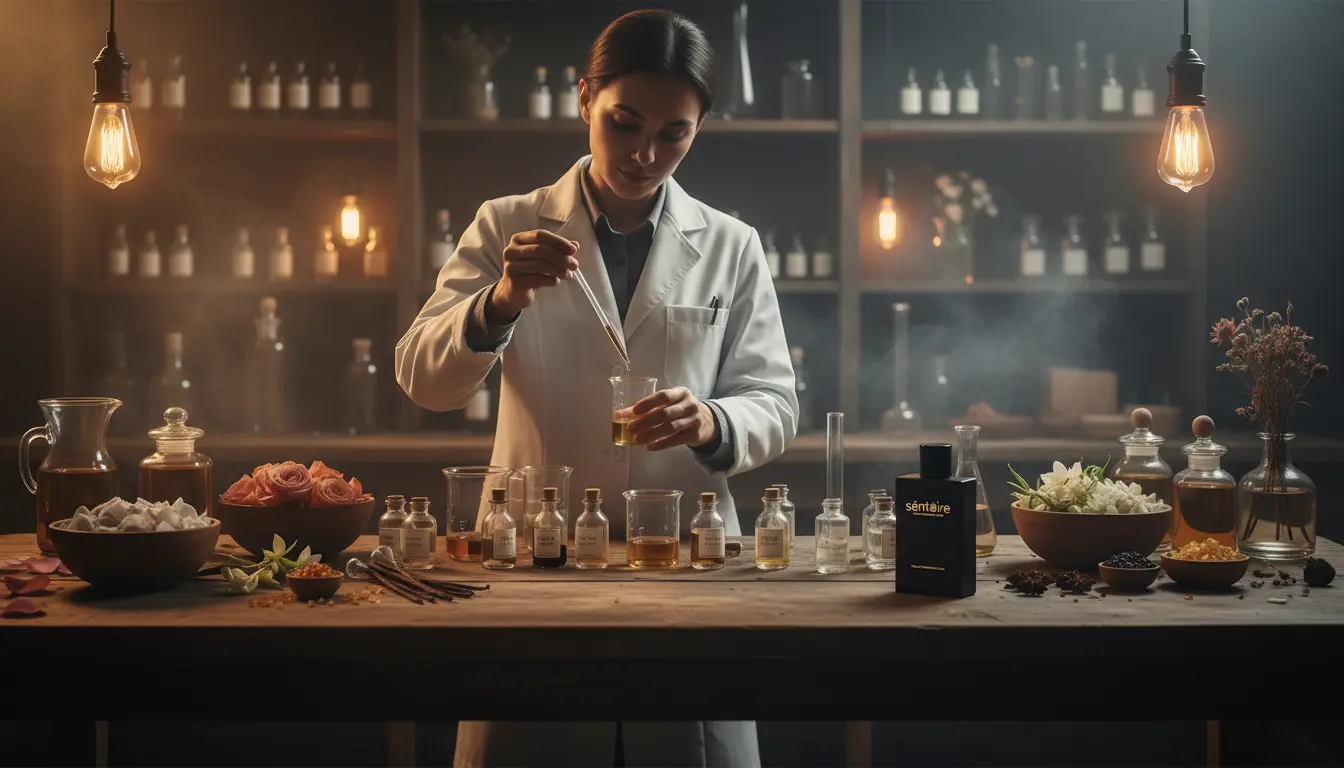
Every bottle of perfume holds a story. Behind the elegant packaging and beautiful aroma lies a complex journey of creativity, science, and craftsmanship. Perfumery is an art that blends imagination with precision.
In this article, we explore how fragrances are created — from the first idea to the final product.
Step 1: Inspiration & Concept
Every fragrance begins with inspiration.
Sources include:
- Nature
- Travel experiences
- Emotions
- Memories
- Fashion trends
- Cultural influences
Perfumers decide:
- Target audience
- Mood
- Occasion
- Price range
This forms the foundation of the fragrance.
Step 2: Selecting Ingredients
Perfumes are made from natural and synthetic materials.
Natural Ingredients
- Flowers
- Woods
- Resins
- Spices
- Fruits
Synthetic Ingredients
- Lab-created aroma molecules
- Improve stability
- Enhance longevity
- Reduce allergens
A balanced combination ensures quality and performance.
Step 3: Creating the Formula
This is the heart of perfumery.
A perfumer mixes hundreds of ingredients in precise proportions. Even 0.01% change can alter the fragrance completely.
A formula may contain:
- 50 to 300 components
- Top, heart, and base notes
- Fixatives for longevity
It takes months — sometimes years — to perfect.
Step 4: Maturation Process
After blending, perfumes are aged.
This allows ingredients to merge and stabilize. It improves smoothness and depth.
Maturation time:
From 2 weeks to 6 months depending on complexity.
Step 5: Testing & Refinement
Before release, perfumes go through multiple tests.
Stability Testing
Checks how fragrance reacts to heat, light, and time.
Skin Testing
Ensures safety and comfort.
Performance Testing
Measures longevity and projection.
Feedback leads to refinements.
Step 6: Bottle & Packaging Design
Visual identity is crucial.
Designers focus on:
- Shape
- Material
- Weight
- Colors
- Branding
Luxury packaging enhances emotional value.
A great bottle makes a fragrance memorable.
Step 7: Production & Quality Control
Once approved, perfumes are produced in controlled environments.
Quality checks include:
- Ingredient purity
- Batch consistency
- Leakage testing
- Label accuracy
This ensures customers receive the same experience every time.
Step 8: Marketing & Storytelling
A fragrance needs a story.
Marketing connects emotion with product:
- Campaign themes
- Visuals
- Taglines
- Influencer partnerships
Good storytelling transforms perfume into a lifestyle.
Why Perfumery Is an Art
Perfumery combines:
- Chemistry
- Psychology
- Creativity
- Culture
A perfumer is like a composer, creating harmony from invisible notes.
Great perfumes evoke:
- Memories
- Confidence
- Comfort
- Attraction
That emotional power makes perfumery special.
Conclusion
From inspiration to bottle, perfume creation is a journey of patience, passion, and precision. Every fragrance represents hundreds of decisions and countless experiments.
When you wear a perfume, you are wearing a piece of art crafted by skilled hands and creative minds.
That is the true beauty of perfumery.